Neurobiology Department
Harvard Medical School
Starting March 2027!
Exploring what astrocytes do in the brain in health and disease
Our big questions
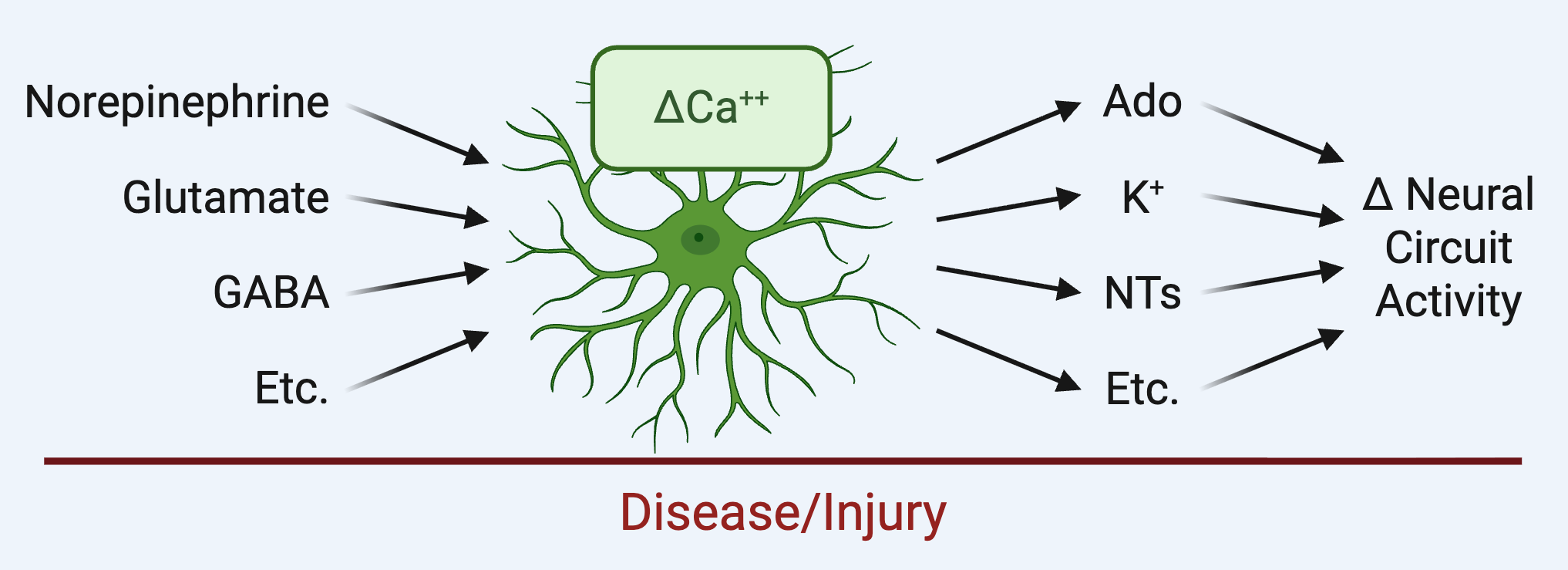
How do astrocytes regulate neuronal circuits?
We now know that astrocytes can change neuronal activity, including how memories are formed and how behaviors are executed. Thus, astrocytes represent a layer of neuromodulation that exists on top of the neuronal connectome. Our goal is to dissect the inputs into astrocytes (what signals they listen to) and the outputs from astrocytes (what signals they send to neurons) to understand how they act as computational units in the brain.
What do astrocytes do during disease and injury?
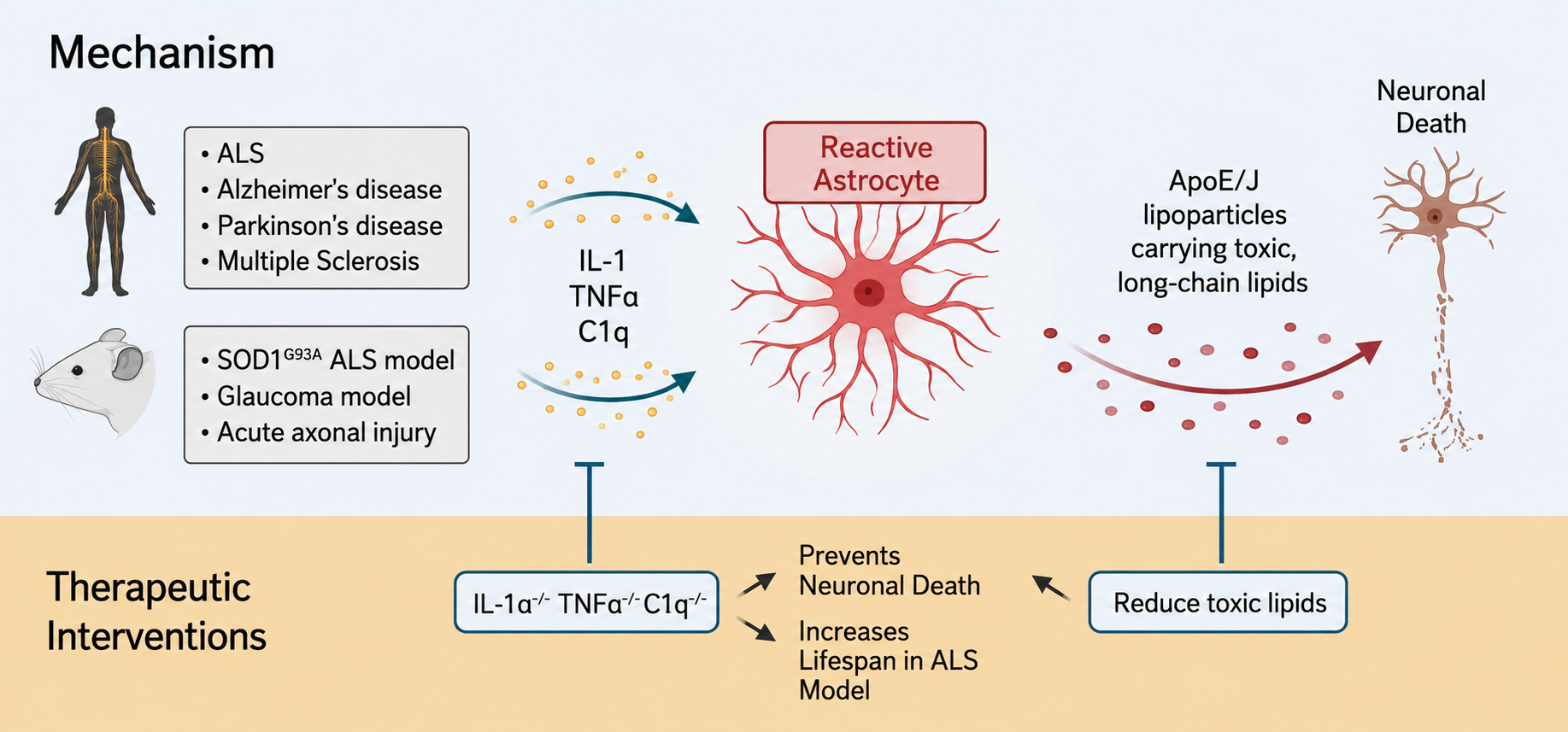
Astrocytes respond to every disease and injury of the nervous system by undergoing a set of morphological and functional changes collectively termed “reactivity.” We have previously shown that, just by altering this astrocytic response in mouse models of disease, we can dramatically reduce neuronal death and extend lifespan. We are now using a suite of models to further dissect how astrocytes respond during injury and disease, what effect that has on brain pathology, and whether such changes can be targeted therapeutically.
Our approach
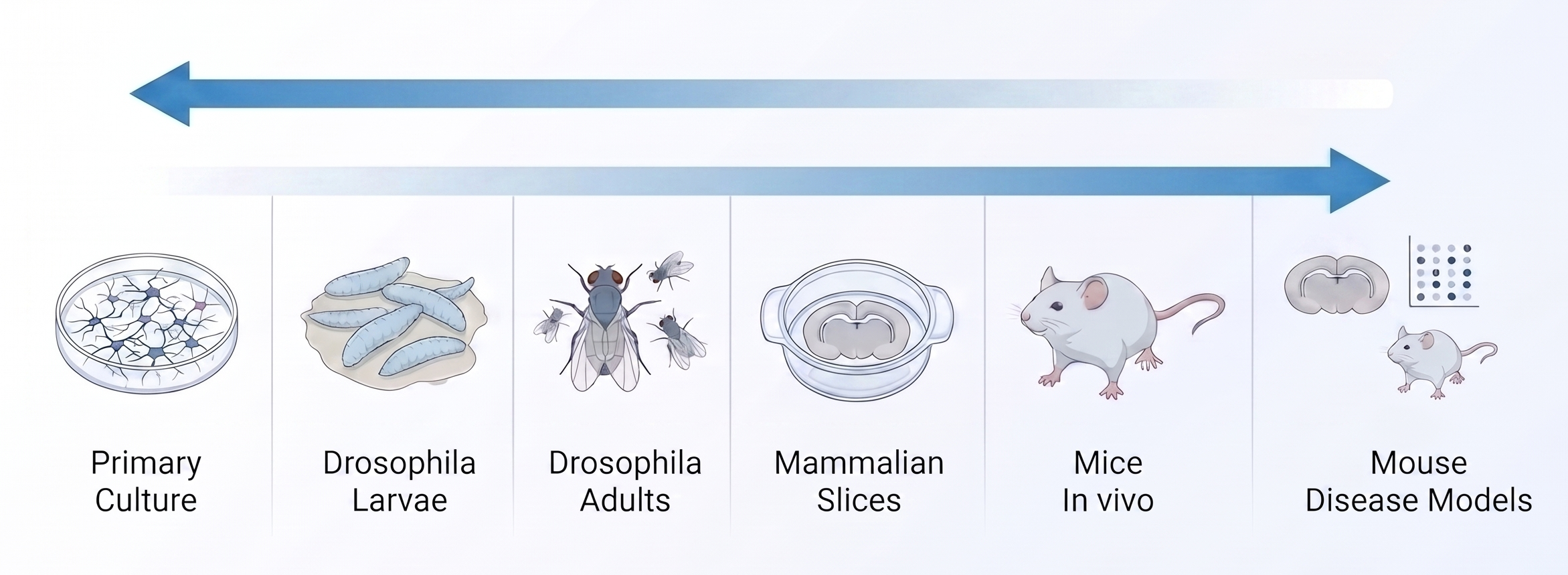
We combine model systems from across biology to find the best approach for tackling important questions in astrocyte biology

Want to join?
Email me if you are interested in joining the lab! We recruit PhD students from various programs across Harvard University and Harvard Medical School and are always looking for excited people to join as senior researchers, research assistants, and postdocs!